Scouting, prima che il paesaggio decida
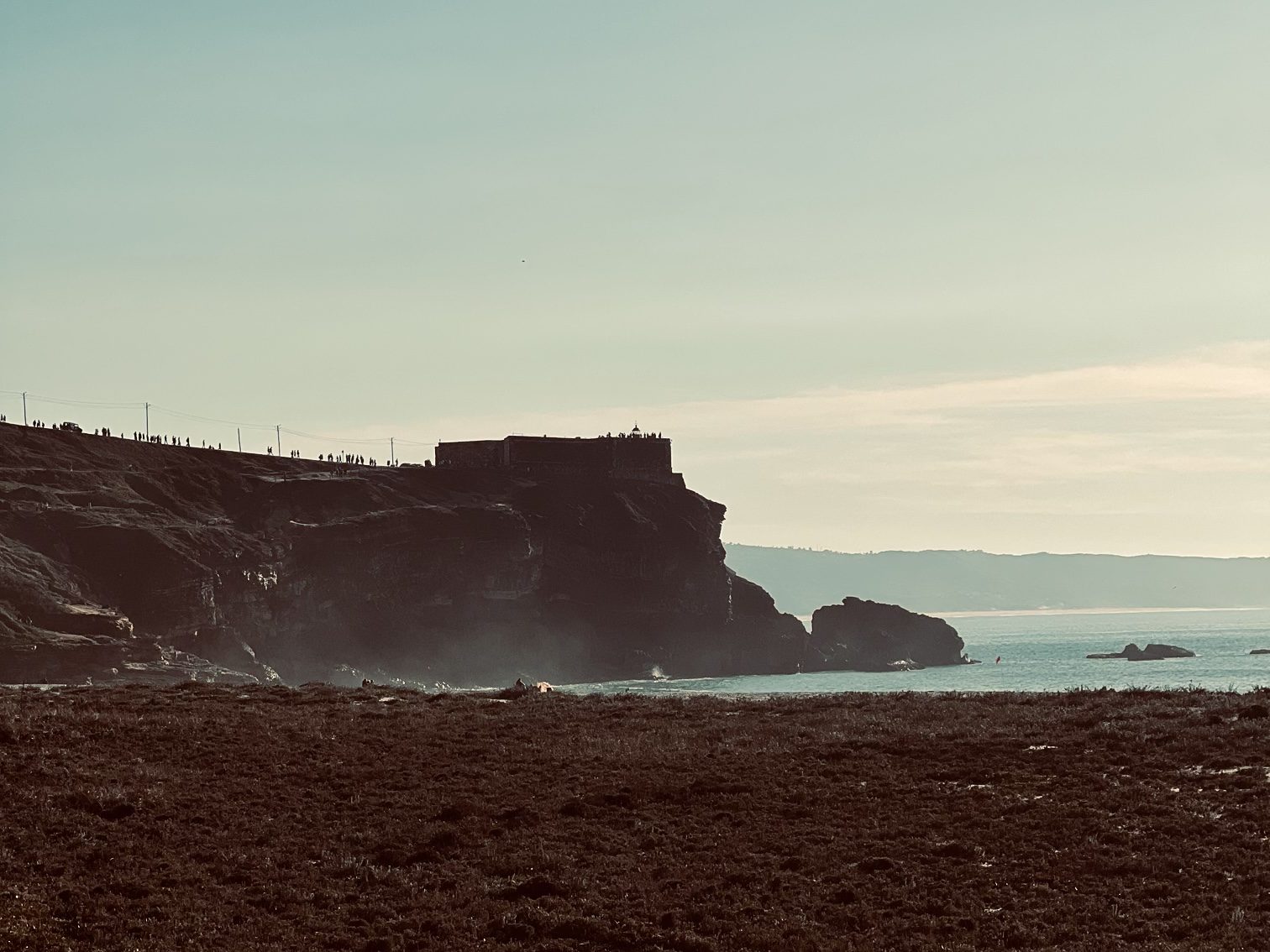
Lungo le scogliere si cammina senza sapere davvero cosa si stia cercando. In fondo non è surf, non è avventura, non è sfida. È guardare. Guardare fino a quando il paesaggio smette di essere grande e diventa preciso. Così emergono un sentiero che si piega male, una casa bianca che resiste al vento, un muretto basso che sembra messo lì per fermare i pensieri, non il mare.
Luce, vento e posizione
La luce, in questi luoghi, arriva sempre storta. Non è mai frontale né pulita. A Nazaré taglia l’orizzonte come una lama opaca; in Galizia, invece, scivola sulle superfici e poi sparisce; in Asturia rimbalza sulle nuvole basse e torna indietro. Se si aspetta la luce perfetta, semplicemente, non si scatterà mai. Qui funziona solo quella che resta dopo che il cielo ha deciso.
Allo stesso modo lo scouting è fatto di vento. Un vento che sposta e che costringe a cambiare punto di vista senza chiedere il permesso. Si monta e si smonta un’inquadratura dieci volte, finché diventa evidente che non era l’inquadratura a essere sbagliata, ma la posizione. Bastano due passi più in là e, improvvisamente, tutto si sistema.
Il punto in cui il paesaggio cede
Non si cerca il panorama. Quello lo vedono tutti. Piuttosto, si cerca il punto in cui il paesaggio si distrae: una scogliera che non impressiona, una strada costiera che sembra inutile, una panchina rivolta dalla parte sbagliata. È proprio lì che succede qualcosa. È lì che l’immagine smette di essere una cartolina.
In ogni caso il mare entra sempre nel frame, anche quando non lo si inquadra. Sta nei colori, nell’aria, nei muri consumati. È una presenza che sporca tutto e rende tutto più vero. Per questo lo scouting serve a capire quanto lasciarlo entrare e quando tenerlo fuori, come si fa con una voce troppo forte.
Attesa e ritorno
A un certo punto si smette di muoversi. Restare fermi abbastanza a lungo permette di capire che l’immagine non è nel gesto, ma nell’attesa. Un’onda che non arriva. Una nuvola che non si apre. Una persona che guarda e poi se ne va. Questo è il ritmo e, se lo si forza, si perde tutto.
Quando si va via, però, si sa già dove si tornerà. Si conosce l’ora, il vento, ciò che non deve succedere. Se queste cose non sono chiare, allora lo scouting non è riuscito. Perché qui non si tratta di catturare il paesaggio, ma di farsi trovare pronti quando decide di concedersi.
Fare scouting su queste coste è questo: mettersi davanti all’oceano senza chiedergli niente e capire se, per un istante, vale la pena ascoltarlo.
Testo: Gianluca Piroli
English version
Observation before intention
Along the Atlantic coasts of Portugal and northern Spain, scouting does not begin when you arrive. Instead, it starts when it becomes clear that the ocean is not there for you. It does not serve as a backdrop, it does not cooperate, it does not pose: it is already busy doing something else.
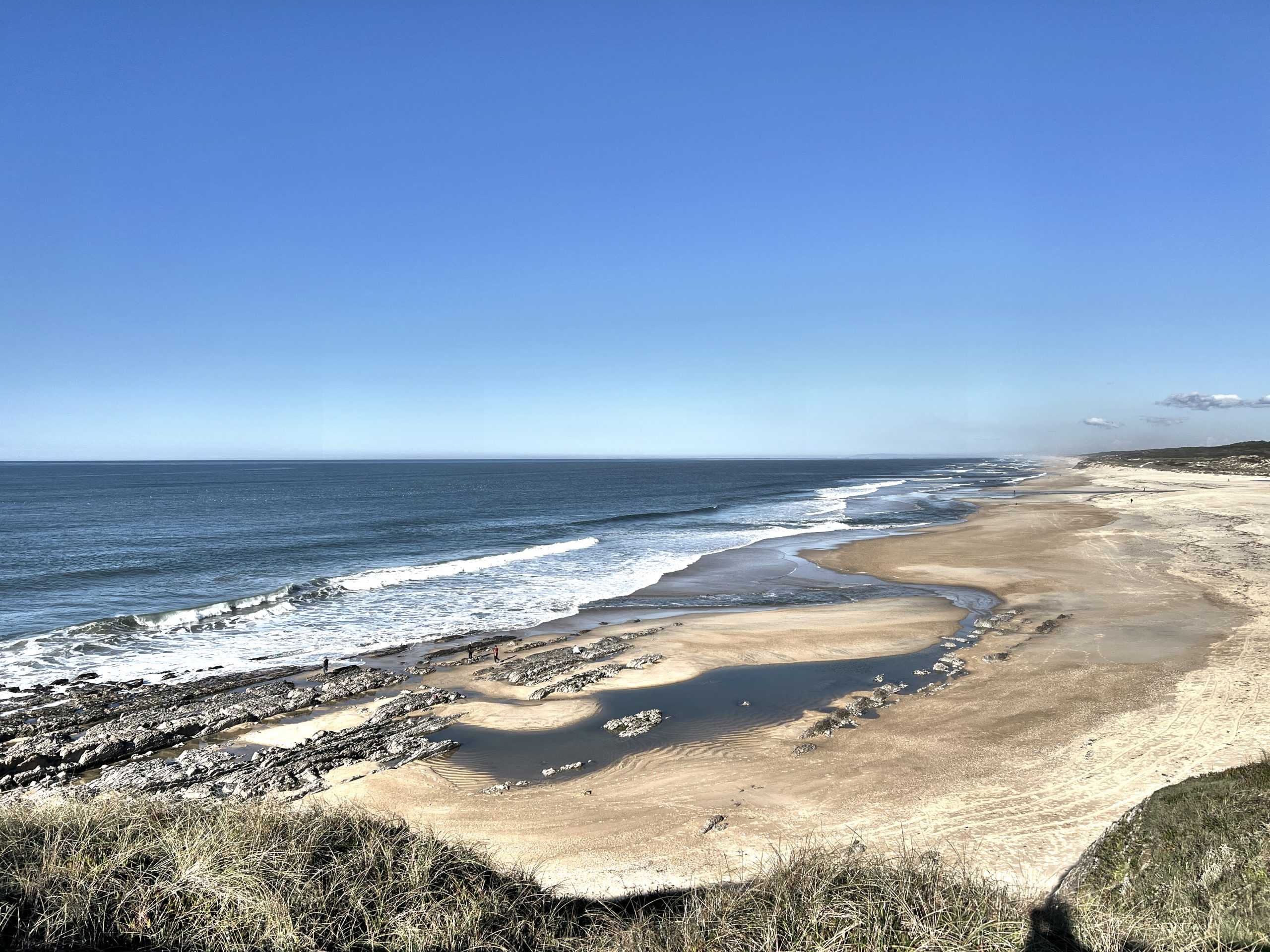
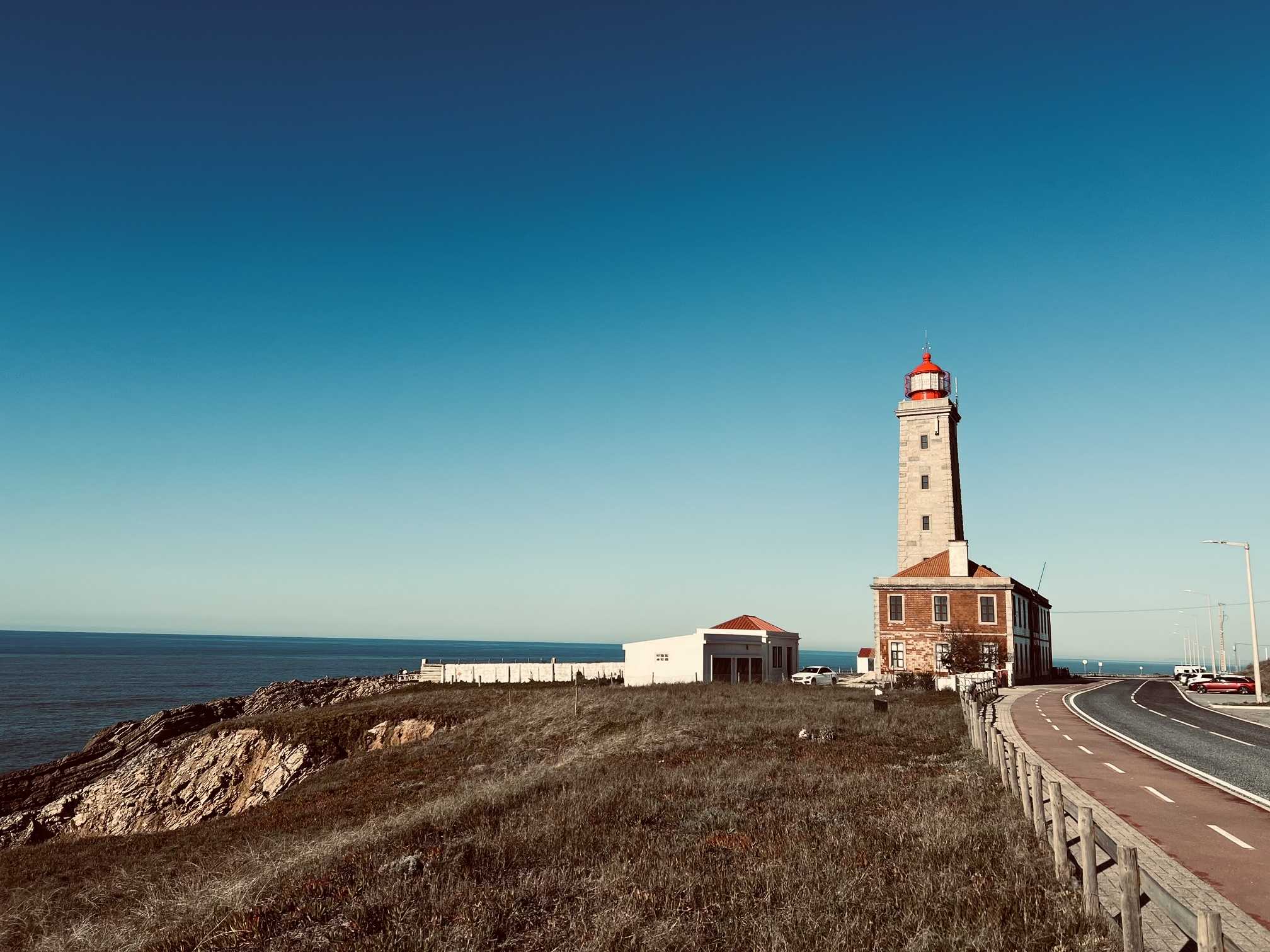
On the cliffs, you walk without truly knowing what you are looking for. After all, it is not surfing, not adventure, not challenge. It is watching. Watching until the landscape stops being vast and becomes precise. Gradually, a path bending the wrong way appears, a white house resisting the wind, a low wall that seems placed there to stop thoughts, not the sea.
Light, wind and adjustment
The light, here, always arrives crooked. It is never frontal, never clean. In Nazaré it cuts the horizon like a dull blade; in Galicia it slides across surfaces and then disappears; in Asturias it bounces off low clouds and comes back. If you wait for perfect light, you will never shoot. What works instead is only what remains after the sky has decided.
Likewise, scouting in these places is made of wind. A wind that moves you and forces you to change your point of view without asking permission. You frame and reframe ten times until it becomes clear that the frame was not wrong — your position was. Two steps to the side and everything settles.
Waiting for the landscape
You are not looking for the panorama. Everyone sees that. Instead, you look for the moment when the landscape gets distracted: a cliff that does not impress, a coastal road that seems unnecessary, a bench facing the wrong direction. That is where something happens. That is where the image stops being a postcard.
The sea always enters the frame, even when you do not photograph it. It is in the colors, in the air, in the worn walls. It is a presence that contaminates everything and makes everything more real. That is why scouting is about understanding how much to let it in and when to keep it out, like a voice that is too loud.
At some point, you stop moving. Staying still long enough reveals that the image is not in the gesture, but in the waiting. A wave that does not arrive. A cloud that does not open. A person who looks and then leaves. This is the rhythm and, if you force it, you lose everything.
When you leave, you already know where you will return. You know the time, the wind, what must not happen. If you do not know, the scouting has failed. Because here it is not about capturing the landscape, but about being ready when it decides to grant itself.
Scouting, on these coasts, is this: standing in front of the ocean without asking anything of it and understanding whether, for an instant, it is worth listening.
Text: Gianluca Piroli

Gallery



Post Recenti