Iperconnessi? Anche no.
Per vent’anni ci hanno raccontato che il futuro fosse essere sempre connessi. Più social, più follower, più notifiche, più contenuti. Sembrava una legge della fisica. Se non eri online, semplicemente non esistevi.
Oggi, però, ho la sensazione che qualcosa stia cambiando.
Sempre più persone che potrebbero occupare ogni centimetro della rete scelgono di sottrarsi. Christopher Nolan non usa lo smartphone e non ha un indirizzo e-mail personale. Paul McCartney evita i selfie perché preferisce incontrare una persona piuttosto che fotografarla. Rick Rubin sostiene da tempo che la creatività abbia bisogno soprattutto di silenzio. Sempre più artisti, scrittori e professionisti stanno riducendo la loro presenza online. Non perché siano contro la tecnologia, ma perché hanno capito che essere ovunque non significa necessariamente essere rilevanti. Forse il vero lusso dei prossimi anni non sarà avere accesso a tutto, ma riuscire a proteggere la propria attenzione.
Lo dico da anni. I social network sono stati i primi giornali della storia ai quali gli autori hanno regalato gratuitamente gli articoli. Noi abbiamo scritto, fotografato, filmato, raccontato le nostre vite e loro hanno costruito un modello economico vendendo l’attenzione generata da quei contenuti. Abbiamo chiamato tutto questo “visibilità”, dimenticandoci che la visibilità ha senso solo quando crea valore anche per chi la genera. Ho la sensazione che questa regola sia destinata a cambiare. Se il contenuto è il vero patrimonio dell’economia digitale, prima o poi cambierà anche il modo in cui quel patrimonio verrà remunerato.
Nel frattempo è arrivata l’intelligenza artificiale, e non credo sia semplicemente una nuova tecnologia. È un’accelerazione della storia. Ogni mese cambia qualcosa, ogni sei mesi competenze che sembravano solide vengono riscritte e quello che oggi ci sorprende domani diventa normale.
Noi della Generazione X siamo una generazione particolare. Abbiamo conosciuto un mondo senza Internet, abbiamo imparato a usare i computer quando erano ancora strumenti per pochi, abbiamo visto nascere i telefoni cellulari, i social network e ora l’intelligenza artificiale. Siamo passati dall’analogico al digitale quasi senza accorgercene. Le prossime generazioni, invece, nasceranno direttamente dentro questo nuovo paradigma e sono curioso di capire quale rapporto avranno con tutto questo. Quando ogni risposta sarà disponibile in pochi secondi, che valore avrà l’esperienza? Quando ogni immagine potrà essere generata da un algoritmo, che valore avrà la creatività? E quando ogni testo potrà essere scritto da una macchina, quanto conterà ancora avere qualcosa di autentico da dire?
Ma la domanda che continua a tornarmi in mente è un’altra. Tra vent’anni sarà più facile trovare qualcuno che scrive un prompt perfetto oppure qualcuno capace di restaurare una finestra, costruire un mobile, riparare un rubinetto o lavorare il ferro? Perché mentre la conoscenza digitale diventa sempre più accessibile, quella manuale rischia di diventare sempre più rara, e la storia ci insegna che il valore si sposta quasi sempre verso ciò che sta scomparendo.
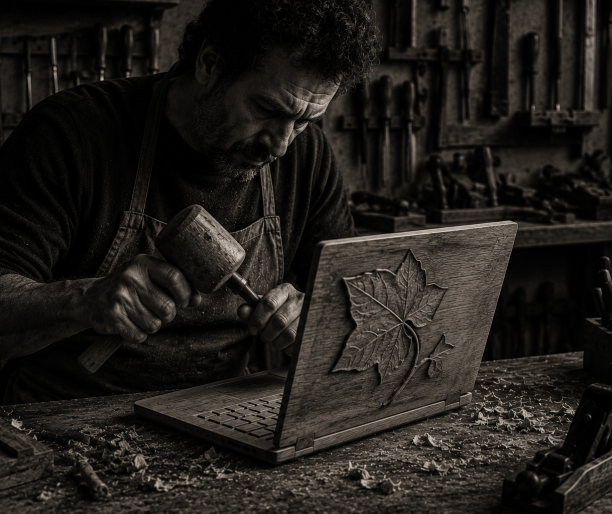
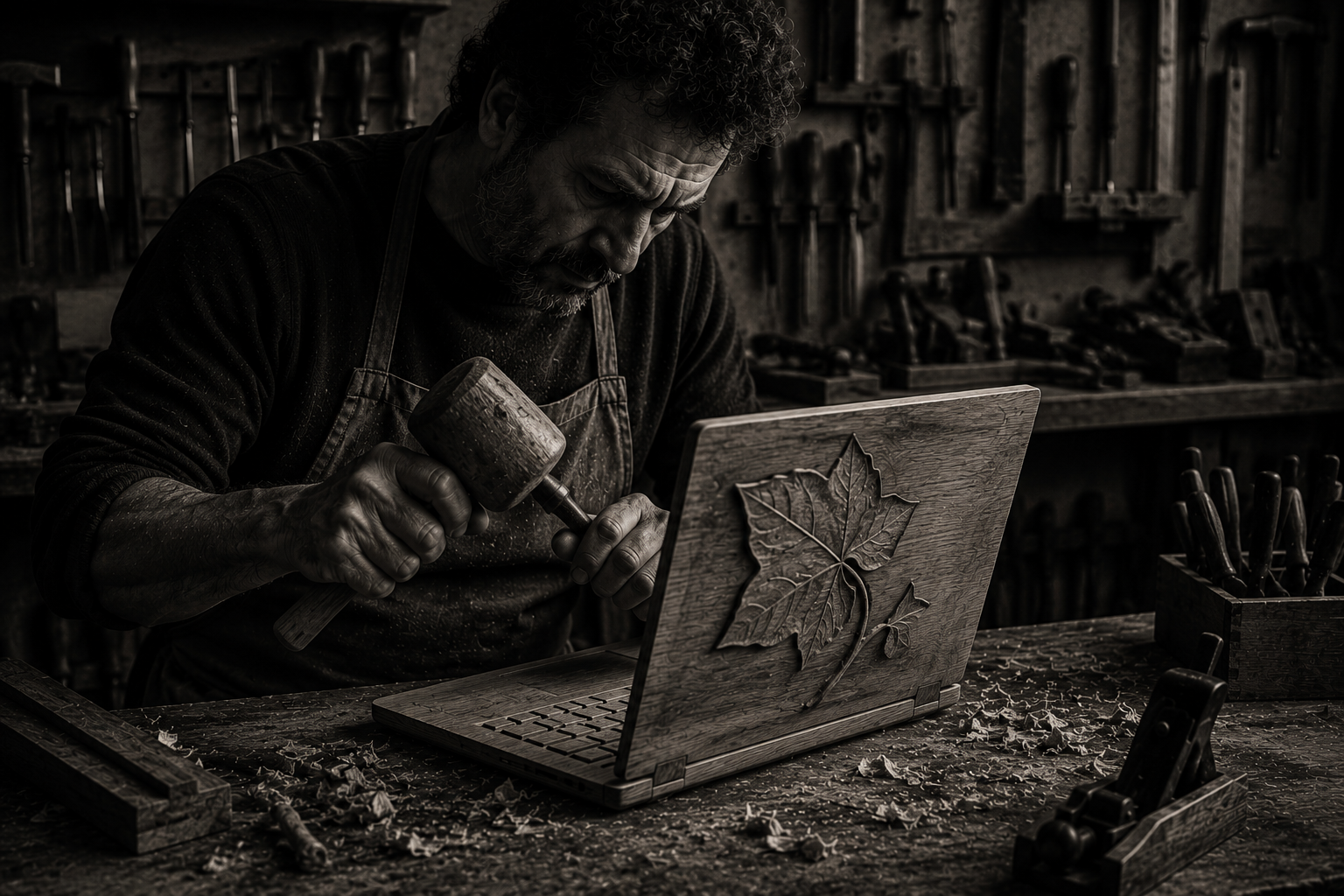
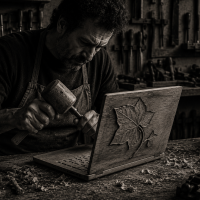
Non sono preoccupato per l’intelligenza artificiale. Sono molto più preoccupato dall’idea che si possa perdere il contatto con la materia, con gli oggetti, con il fare. Gli strumenti continueranno a cambiare come hanno sempre fatto. Cambieranno gli algoritmi, cambieranno le piattaforme, cambieranno perfino i lavori. Quello che continuerà a fare la differenza saranno le idee, il pensiero critico, le relazioni, l’esperienza e la capacità di trasformare un’intuizione in qualcosa di reale. Perché una tastiera può aiutarti a progettare un tavolo, ma qualcuno dovrà ancora saperlo costruire.
Forse il futuro non apparterrà a chi sarà più connesso, ma a chi saprà usare la tecnologia senza diventarne dipendente. A chi saprà sfruttare l’intelligenza artificiale senza smettere di usare la propria. A chi continuerà a considerare gli strumenti per quello che sono sempre stati. Mezzi. Mai il fine.
English version

Hyperconnected? Maybe Not.
For the past twenty years, we’ve been told that the future belonged to those who were always connected. More social media, more followers, more notifications, more content. It felt almost like a law of physics. If you weren’t online, you simply didn’t exist.
Lately, though, I have the feeling that something is changing.
More and more people who could dominate every corner of the internet are choosing to step away from it. Christopher Nolan doesn’t use a smartphone and has no personal email address. Paul McCartney avoids selfies because he would rather meet a person than photograph one. Rick Rubin has long argued that creativity needs silence more than it needs tools. An increasing number of artists, writers and professionals are scaling back their online presence. Not because they reject technology, but because they understand that being everywhere doesn’t necessarily make you relevant. Perhaps the real luxury of the next decade won’t be unlimited access, but the ability to protect your attention.
I’ve been saying this for years. Social media became the first newspapers in history where the authors gave away their articles for free. We wrote, photographed, filmed and shared our lives, while someone else built a business by selling the attention those stories generated. We called it “visibility,” forgetting that visibility only matters when it creates value for the people who produce it. I have a feeling that this rule is about to change. If content is the real asset of the digital economy, sooner or later the way creators are rewarded will have to change as well.
Then came artificial intelligence, and I don’t believe it’s just another technological breakthrough. It’s an acceleration of history itself. Every month something changes. Every six months skills that once seemed solid are rewritten. What amazes us today quickly becomes tomorrow’s routine.
Those of us in Generation X occupy a unique position. We remember a world without the internet. We learned to use computers when they were still tools for specialists. We’ve watched mobile phones, social media and now artificial intelligence reshape everyday life. We’ve crossed the bridge from the analog world to the digital one almost without realizing it. The generations that follow us, however, will be born directly into this new reality, and I’m fascinated by how they will experience it. When every answer is available in seconds, what will experience be worth? When every image can be generated by an algorithm, what will creativity mean? And when every text can be written by a machine, how valuable will it be to have something genuinely original to say?
But the question that keeps coming back to me is a different one. Twenty years from now, will it be easier to find someone who can write the perfect AI prompt, or someone who knows how to restore a window, build a piece of furniture, repair a leaking faucet or work with wood and steel? Because while digital knowledge is becoming increasingly accessible, practical craftsmanship is becoming increasingly rare. History teaches us that value almost always shifts toward what is disappearing.
I’m not worried about artificial intelligence. I’m far more concerned about losing our connection with materials, with physical objects and with the act of making things. Technology will continue to evolve, just as it always has. Algorithms will change. Platforms will change. Entire professions will change. What will continue to matter are ideas, critical thinking, human relationships, experience and the ability to turn an insight into something real. A keyboard can help you design a table, but someone will still need to know how to build it.
Perhaps the future won’t belong to the people who are the most connected. It will belong to those who know how to use technology without becoming dependent on it, to those who can embrace artificial intelligence without abandoning their own intelligence, and to those who never forget that technology is, and always will be, a tool. Never the destination.

Gallery
Post Recenti