Noi venivamo da un altro pianeta
L’altro pianeta, non è cambiato.
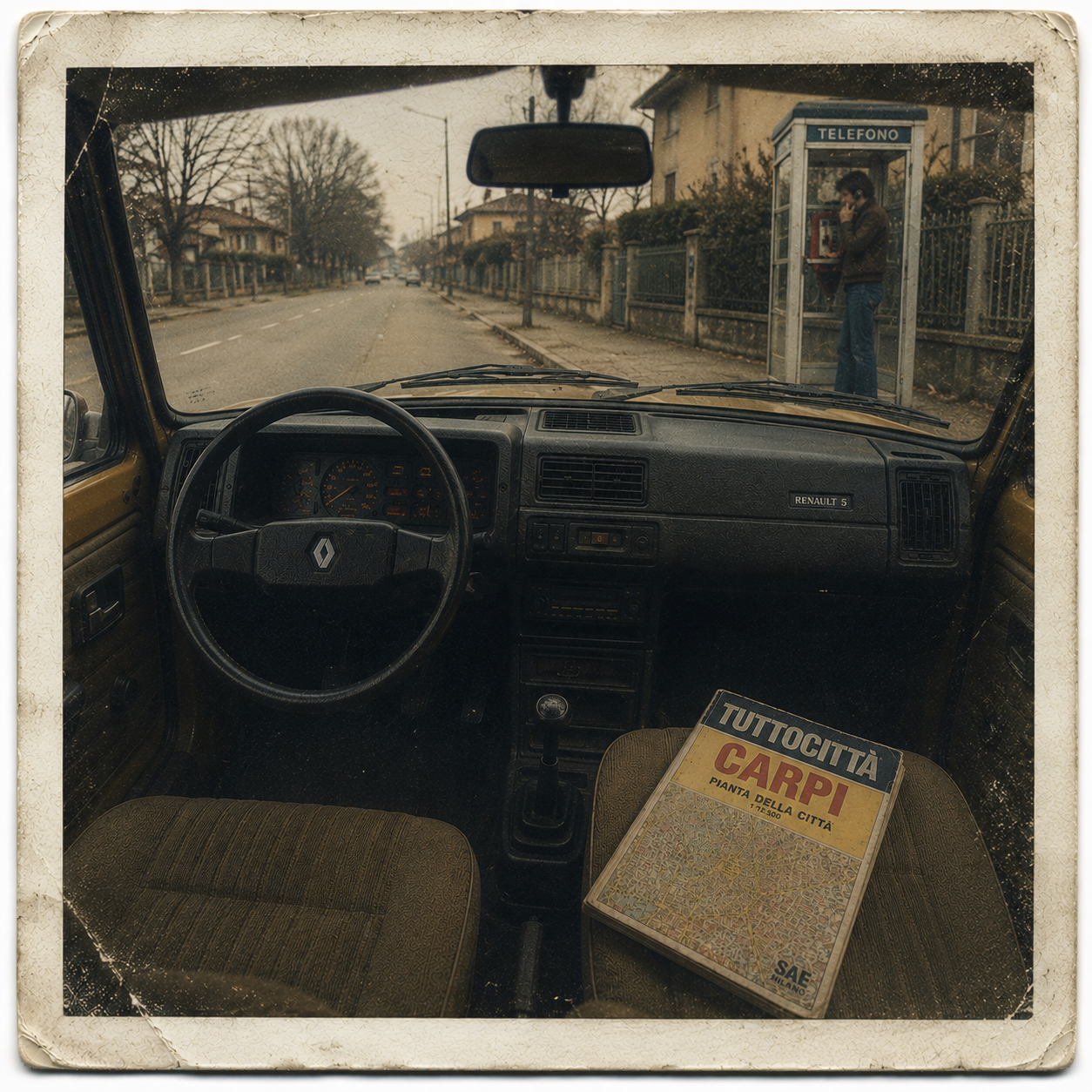
Leggo continuamente persone che parlano dell’intelligenza artificiale come se stessero assistendo alla più grande rivoluzione della storia umana. Alcuni sono entusiasti, altri terrorizzati, molti sembrano convinti che il loro destino professionale dipenda da un algoritmo. Ogni tanto mi viene da sorridere. Non perché il cambiamento non sia importante, ma perché faccio parte di una generazione che per fare una telefonata doveva trovare una cabina telefonica, avere un gettone in tasca e sperare che dall’altra parte qualcuno rispondesse. Poi arrivarono le schede telefoniche e sembravano già una roba da Guerre Stellari. Per trovare un indirizzo c’era il Tuttocittà, un mattone di carta che viveva sul sedile dell’auto e che bisognava imparare a leggere. Quando avevo poco più di vent’anni e cercavo di costruirmi un mestiere, non mandavo email, non fissavo videocall e non allegavo portfolio digitali. Salivo in macchina, arrivavo davanti a un’azienda, suonavo il campanello e aspettavo. Detta oggi sembra una sciocchezza, ma entrare in certi posti faceva paura. Best Company, Lee, Wrangler, Ferré, Replay. Oggi molti immaginano questi marchi come nomi stampati su un’etichetta, io li ricordo come edifici, corridoi, uffici, persone. Erano tutti lì. Non dispersi in venti sedi sparse per il pianeta. Entravi e avevi la sensazione fisica che qualcosa stesse succedendo davvero. Dietro quelle porte c’erano quelli che decidevano, quelli che creavano, quelli che rischiavano. E tu eri un ragazzo con una cartella sotto il braccio che sperava di essere preso sul serio. Dovevi sapere esattamente cosa avevi fatto e perché lo avevi fatto. Non esisteva la possibilità di cercare una risposta durante una riunione. La risposta eri tu. Quello che trovo curioso è che oggi le persone parlano di accesso all’informazione come se fosse sempre esistito. Noi passavamo il tempo a rincorrerla. Ho comprato libri negli Stati Uniti semplicemente perché in Italia non esistevano. Li riportavo a casa come fossero reperti archeologici. Fotografavo insegne, negozi, packaging, allestimenti, architetture, dettagli che probabilmente non interessavano a nessun altro. Tornavo con valigie piene di carta e scatoloni pieni di fotografie. Migliaia di fotografie. Non per pubblicarle. Non per ottenere like. Nemmeno per mostrarle a qualcuno. Le conservavo perché pensavo che un giorno mi sarebbero servite. E infatti mi sono servite. Oggi basta digitare una parola e in pochi secondi compare il mondo. Allora il mondo bisognava andarselo a prendere. Ci volevano chilometri, tempo, soldi, curiosità e una discreta dose di ostinazione. Forse è per questo che faccio fatica a condividere certe paure nei confronti dell’intelligenza artificiale. Non perché non ne comprenda la portata, ma perché ho già visto il mondo cambiare decine di volte. Ho visto sparire il Letraset, le pellicole fotografiche, i fax, le cabine telefoniche, i tavoli luminosi, le agende piene di numeri scritti a mano. Ho visto nascere Internet quando sembrava una curiosità per pochi e diventare il centro di tutto. Ho visto professioni morire e altre nascere dal nulla. Ogni volta qualcuno annunciava la fine di un’epoca. Avevano ragione. Finiva davvero un’epoca. Ma ne iniziava un’altra. Alla fine gli strumenti cambiano sempre. Quello che resta è la capacità di osservare, di collegare idee, di riconoscere una buona intuizione quando la incontri e di avere il coraggio di seguirla. La vera differenza non è tra chi usa l’intelligenza artificiale e chi non la usa. La vera differenza è tra chi ha costruito uno sguardo e chi possiede soltanto uno strumento. Noi venivamo da un altro pianeta. Un pianeta nel quale le idee non arrivavano attraverso uno schermo. Bisognava andarle a cercare.
English version
We Came from Another Planet
I keep reading people talking about artificial intelligence as if they were witnessing the greatest revolution in human history. Some are excited, others terrified, many seem convinced that their professional future now depends on an algorithm. Sometimes I smile. Not because the change is not important, but because I belong to a generation that, in order to make a phone call, had to find a public telephone, have a token in its pocket and hope that someone would answer on the other end. Then phone cards arrived and they already felt like something out of Star Wars. To find an address, there was the Tuttocittà, a brick of paper that lived on the car seat and that you had to learn how to read. When I was just over twenty and trying to build a profession for myself, I did not send emails, I did not schedule video calls and I did not attach digital portfolios. I got in the car, arrived in front of a company, rang the bell and waited. Today it may sound like nothing, but walking into certain places was frightening. Best Company, Lee, Wrangler, Ferré, Replay. Today many people imagine those brands as names printed on a label. I remember them as buildings, corridors, offices, people. They were all there. Not scattered across twenty different offices around the planet. You walked in and physically felt that something was really happening. Behind those doors were the people who decided, created and took risks. And you were a young man with a folder under your arm, hoping to be taken seriously. You had to know exactly what you had done and why you had done it. There was no chance to look up an answer during a meeting. You were the answer. What I find curious is that today people talk about access to information as if it had always existed. We spent our time chasing it. I bought books in the United States simply because they did not exist in Italy. I brought them home as if they were archaeological finds. I photographed signs, stores, packaging, displays, architecture and details that probably meant nothing to anyone else. I came back with suitcases full of paper and boxes full of photographs. Thousands of photographs. Not to publish them. Not to get likes. Not even to show them to someone. I kept them because I thought one day they would be useful. And they were. Today you type a word and, in a few seconds, the world appears. Back then, you had to go and get the world yourself. It took miles, time, money, curiosity and a fair amount of stubbornness. Maybe that is why I struggle to share certain fears about artificial intelligence. Not because I do not understand its scale, but because I have already seen the world change dozens of times. I have seen Letraset disappear, photographic film, fax machines, public telephones, light tables, diaries filled with numbers written by hand. I saw the Internet appear when it seemed like a curiosity for the few and then become the center of everything. I have seen professions die and others come out of nowhere. Every time, someone announced the end of an era. They were right. An era was really ending. But another one was beginning. In the end, tools always change. What remains is the ability to observe, to connect ideas, to recognize a good intuition when you meet one and to have the courage to follow it. The real difference is not between those who use artificial intelligence and those who do not. The real difference is between those who have built a way of seeing and those who merely own a tool. We came from another planet. A planet where ideas did not arrive through a screen. You had to go looking for them.

Gallery
Post Recenti