Il packaging come soglia: dal contenitore visibile al contenuto invisibile
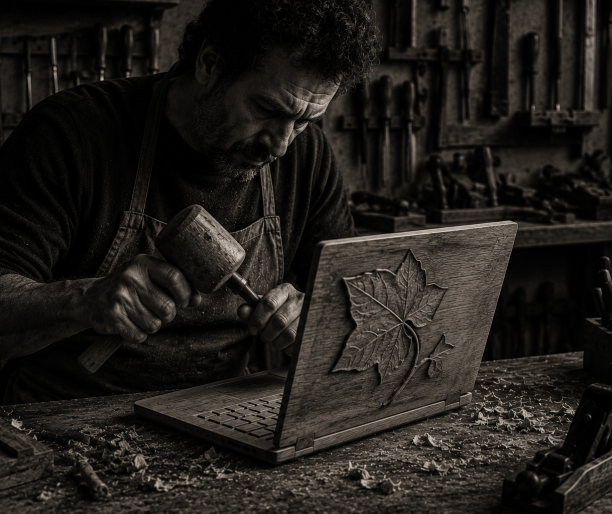
«Il packaging è una parte fondamentale di ogni prodotto, è probabile che il suo futuro sia di integrarsi con il prodotto stesso, ad esempio diventare commestibile per i prodotti alimentari, una sorta di naturalità. In fondo ogni animale o pianta ha il suo contenitore riutilizzabile, pur avendo significati bel più profondi e importanti.»
Questa mia riflessione, formulata nel 2004 e pubblicata nel volume Packaging Parade (edito da Happybooks), anticipa un tema che oggi appare più attuale che mai: il superamento del packaging come semplice involucro per arrivare a una visione in cui contenitore e contenuto dialogano, fino quasi a coincidere.
Nel mondo naturale nulla è realmente superfluo. Ogni organismo possiede un “contenitore” che non è separato dalla sua essenza, ma ne è manifestazione diretta. La buccia di un frutto, la corteccia di un albero, la pelle di un animale non sono packaging nel senso industriale del termine, ma sistemi intelligenti, evoluti, riutilizzabili, capaci di proteggere, comunicare e adattarsi. Sono involucri che raccontano una funzione, una storia, un equilibrio.
Nel design industriale e nel branding, il packaging ha spesso seguito una traiettoria opposta: sovrastruttura, seduzione, artificio. Un livello aggiunto che ha progressivamente preso il sopravvento sul contenuto, fino a diventare, in molti casi, più importante dell’oggetto stesso. Ma proprio per questo oggi siamo chiamati a ripensarlo.
Quando si parla di “significati più profondi e importanti”, il riferimento non è solo ecologico o funzionale. È simbolico.
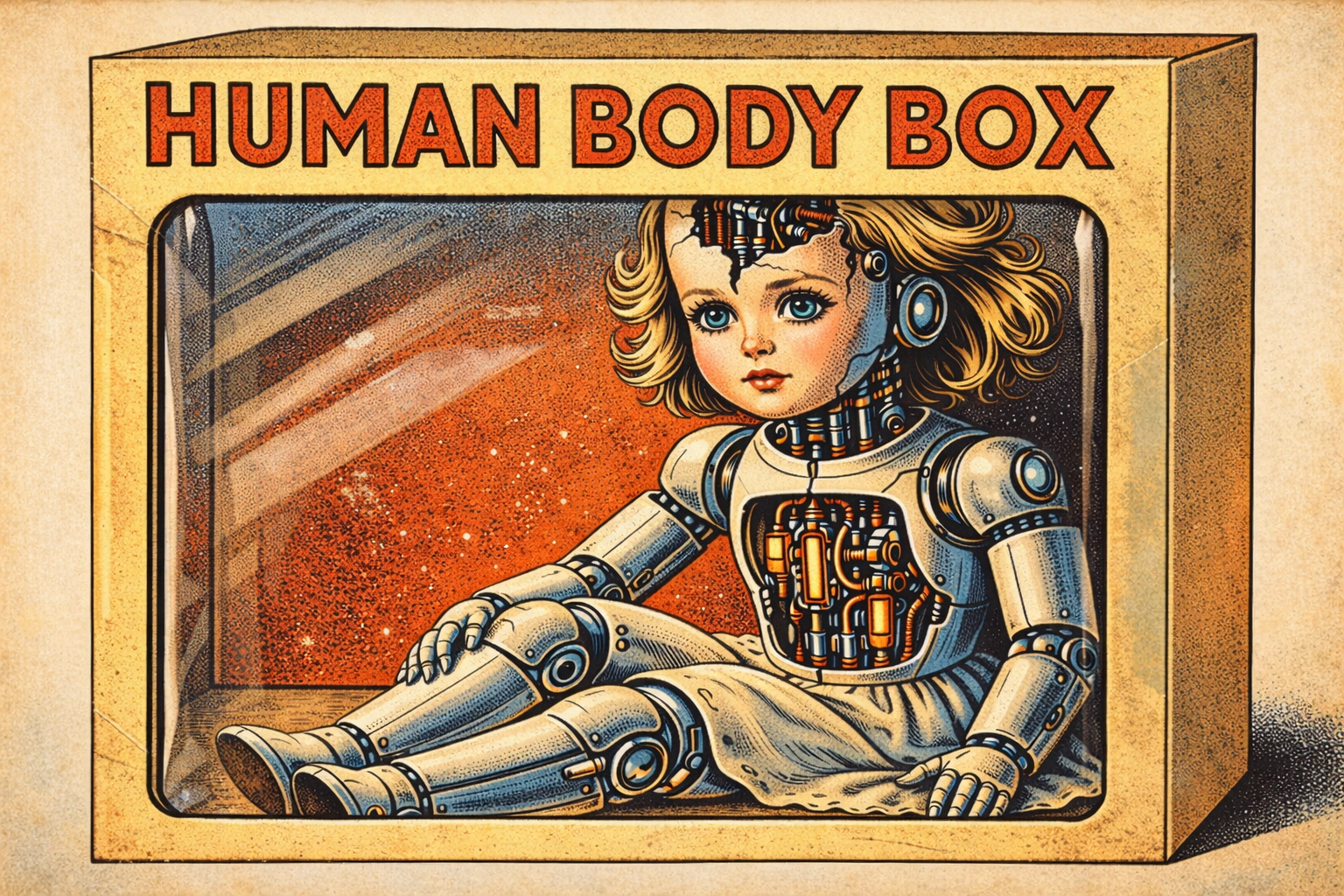
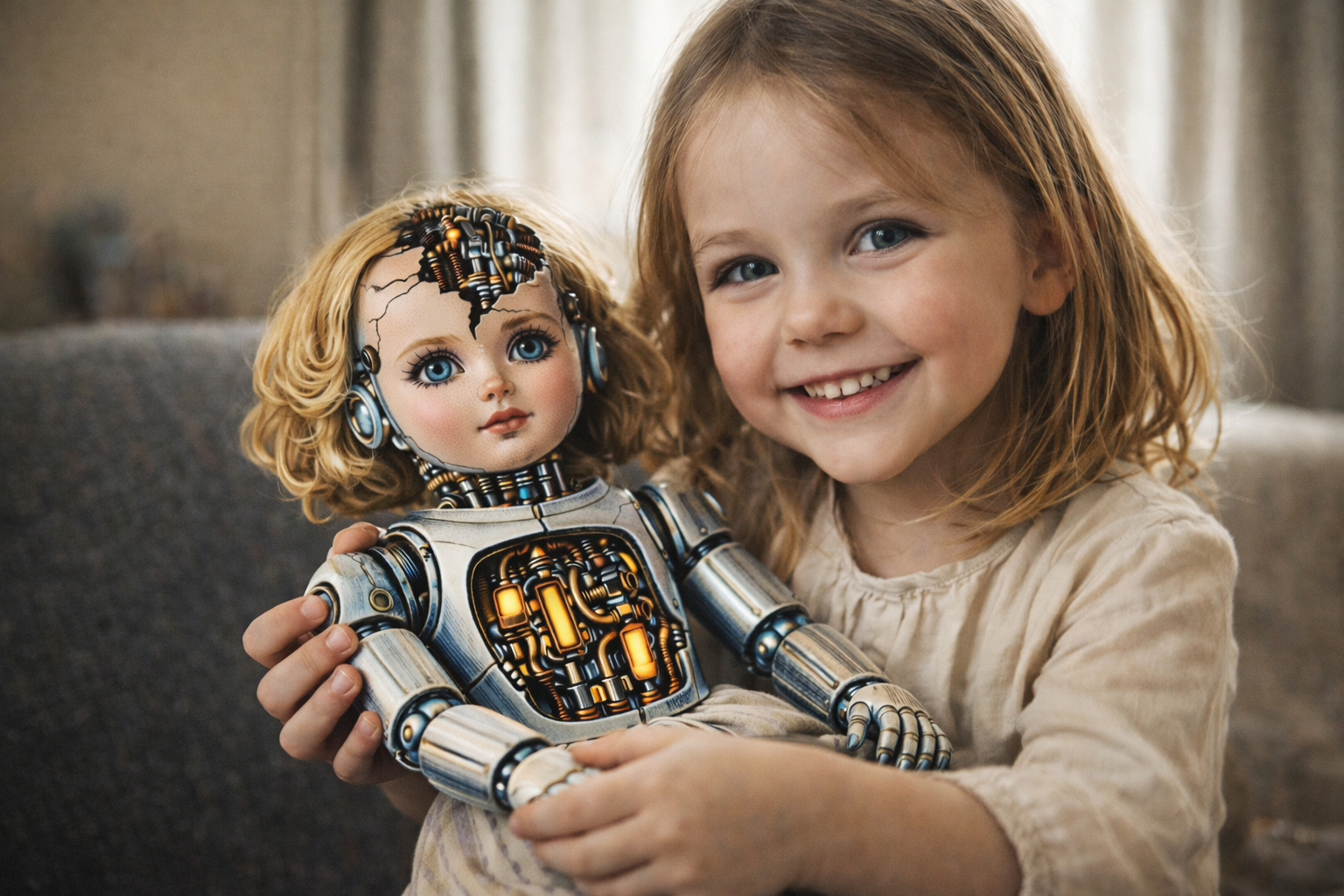
Il corpo umano, ad esempio, è il nostro contenitore visibile. È ciò che gli altri vedono per primo, ciò che viene osservato, giudicato, classificato. Come un prodotto su uno scaffale, una persona viene inizialmente percepita come “oggetto”: una forma, una postura, un insieme di segni esteriori. Ma il corpo non è ciò che siamo. È solo la soglia.
L’animo umano non è un contenitore, è contenuto. È ciò che non si vede immediatamente, ma che emerge nel tempo, attraverso la relazione, la parola, il gesto. È ciò che resta quando l’apparenza perde centralità. In questo senso, il vero valore non risiede nell’involucro, ma nella qualità di ciò che esso custodisce.
Trasportare questa riflessione nel mondo del packaging significa riconoscere che il contenitore non dovrebbe mai mentire sul contenuto. Non dovrebbe sovrastarlo, mascherarlo o sostituirlo. Dovrebbe accompagnarlo, rispettarlo, rivelarlo gradualmente. Come fa il corpo con l’anima, quando smette di essere pura superficie e diventa presenza.
Il futuro del packaging, quindi, non è solo nella sostenibilità dei materiali o nell’innovazione tecnica. È nella sua capacità di diventare linguaggio coerente, estensione naturale del prodotto, parte integrante della sua identità. Un packaging non grida, introduce. Non seduce, prepara. Non consuma attenzione, ma costruisce fiducia.
In questa prospettiva, il design torna a essere un atto etico prima che estetico. Un gesto di responsabilità nei confronti di chi osserva, sceglie, utilizza. Esattamente come avviene nelle relazioni umane più autentiche, dove l’involucro conta, ma non basta. E dove, alla fine, ciò che davvero ricordiamo non è la forma, ma la sostanza.
Gianluca Piroli
English version
«Packaging is a fundamental part of every product; it is likely that its future lies in integrating with the product itself, for example by becoming edible in the case of food products — a form of naturalness. After all, every animal or plant has its own reusable container, while embodying far deeper and more significant meanings.»
This reflection of mine, formulated in 2004 and published in the volume Packaging Parade (published by Happybooks), anticipated a theme that today appears more relevant than ever: moving beyond packaging as a simple wrapping toward a vision in which container and content enter into dialogue, almost to the point of coinciding.
In the natural world, nothing is truly superfluous. Every organism possesses a “container” that is not separate from its essence but a direct manifestation of it. The skin of a fruit, the bark of a tree, the hide of an animal are not packaging in the industrial sense of the term, but intelligent, evolved, reusable systems capable of protecting, communicating, and adapting. They are envelopes that tell a function, a story, an equilibrium.
In industrial design and branding, packaging has often followed the opposite trajectory: superstructure, seduction, artifice. An added layer that has progressively overshadowed the content, in many cases becoming more important than the object itself. Precisely for this reason, today we are called to rethink it.
When speaking of “deeper and more significant meanings,” the reference is not merely ecological or functional. It is symbolic.
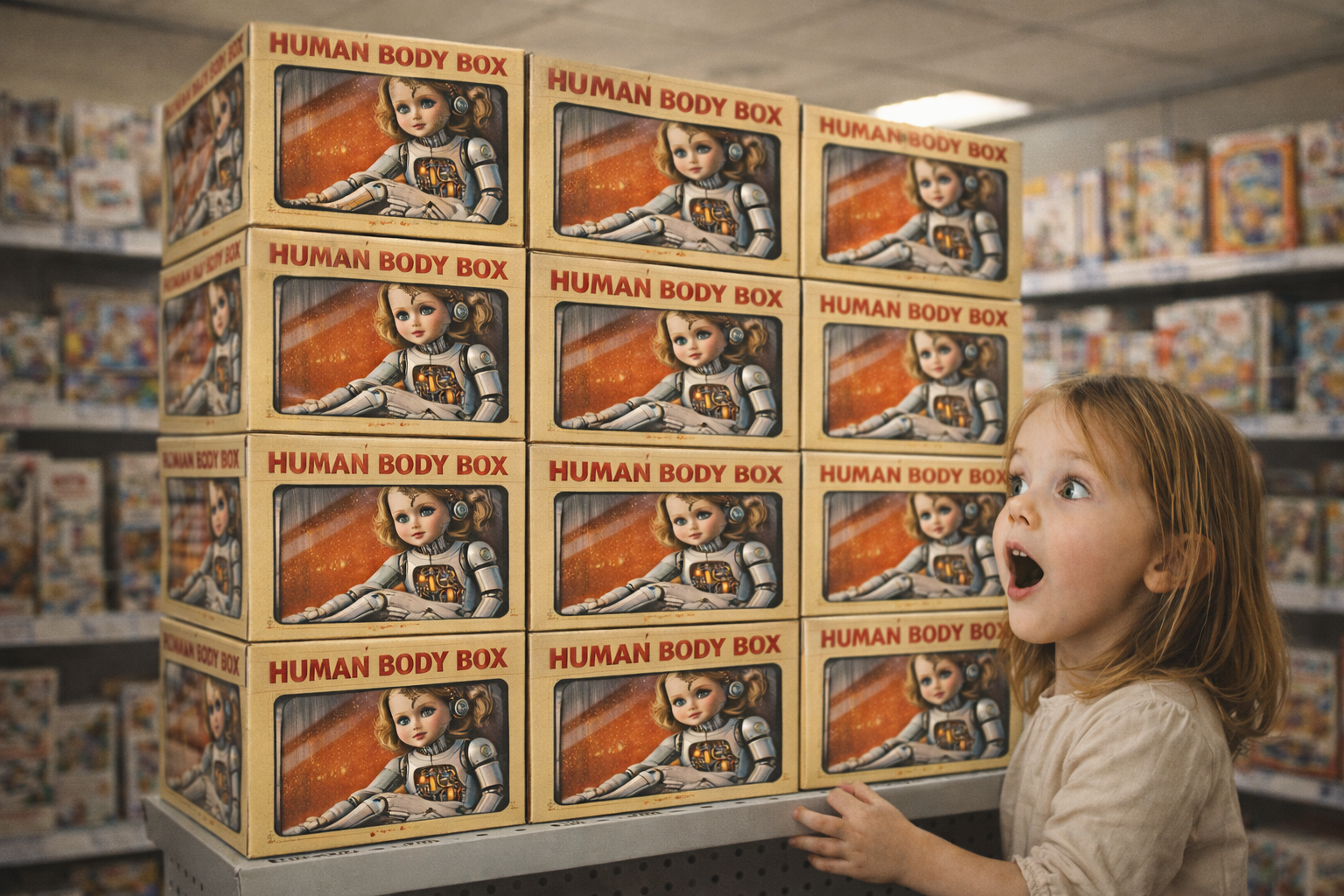
The human body, for example, is our visible container. It is what others see first, what is observed, judged, classified. Like a product on a shelf, a person is initially perceived as an “object”: a shape, a posture, a set of external signs. But the body is not what we are. It is only the threshold.
The human soul is not a container; it is content. It is what is not immediately visible, yet emerges over time through relationship, speech, and gesture. It is what remains when appearance loses its centrality. In this sense, true value does not lie in the wrapping, but in the quality of what it holds.
Transposing this reflection into the world of packaging means recognizing that the container should never lie about the content. It should not overshadow it, disguise it, or replace it. It should accompany it, respect it, reveal it gradually. Just as the body does with the soul, when it ceases to be mere surface and becomes presence.
The future of packaging, therefore, is not only about material sustainability or technical innovation. It lies in its ability to become coherent language, a natural extension of the product, an integral part of its identity. Packaging does not shout; it introduces. It does not seduce; it prepares. It does not consume attention; it builds trust.
From this perspective, design returns to being an ethical act before it is an aesthetic one. A gesture of responsibility toward those who observe, choose, and use. Exactly as in the most authentic human relationships, where the wrapping matters, but is not enough. And where, in the end, what we truly remember is not the form, but the substance.
Gianluca Piroli

Gallery

Post Recenti