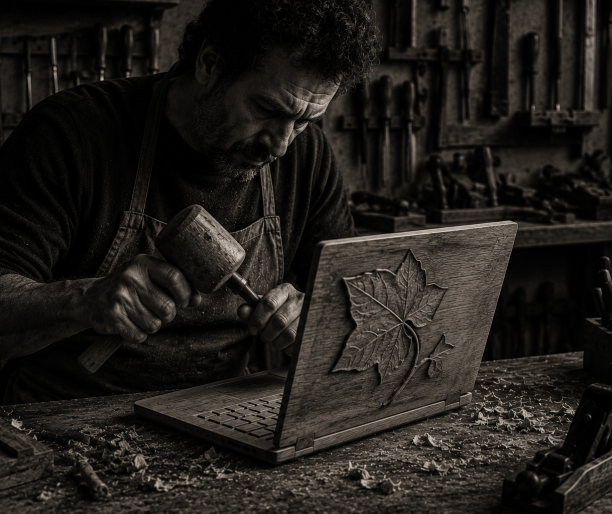
The Luxury of Failure
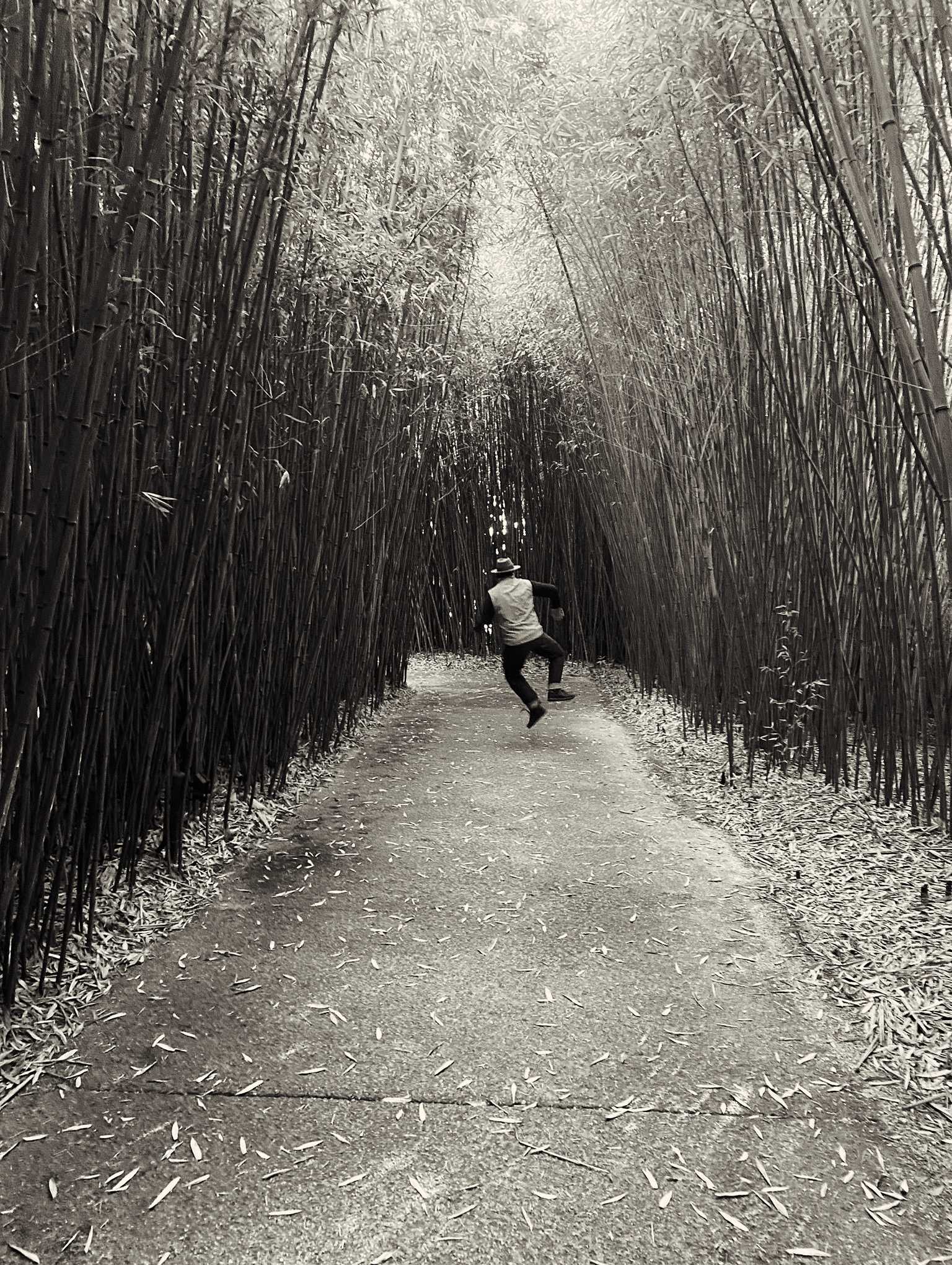
Il Lusso di Fallire
Riconoscere quando un progetto non deve più volare è un atto di lucidità, non di resa.
C’è un momento, in ogni progetto, in cui senti che stai spingendo una macchina senza motore. La carrozzeria è lucida, il volante ti piace, la vernice è quella giusta — ma non si muove. E tu continui a spingerla, convinto che prima o poi il destino si accorga del tuo impegno e decida di darti una mano. Non succede quasi mai.
There’s a moment, in every project, when you realize you’re pushing a car with no engine. The bodywork is shiny, the wheel feels right, the paint is perfect — but it doesn’t move. And you keep pushing, convinced that someday fate will reward your effort and give you a push. It almost never does.
Ho imparato che ci sono idee che nascono già con la febbre. Le vedi camminare barcollando, ma ti affezioni. Le nutri, le coccoli, le difendi dal cinismo del mondo, finché non ti accorgi che sei tu a tenere in vita una creatura che non vuole respirare. È un errore che fanno in molti, e che io ho fatto più di una volta: scambiare la tenacia per visione, la speranza per strategia.
I’ve learned that some ideas are born feverish. You see them stumbling, but you fall in love with them. You feed them, protect them, defend them from the world’s cynicism — until you realize you’re the one keeping alive something that doesn’t want to breathe. It’s a mistake many make, and one I’ve made more than once: confusing tenacity with vision, hope with strategy.
La verità è che lasciare andare è un’arte. Non ha nulla a che vedere con la rassegnazione — è, semmai, un atto di lucidità. Il punto non è “mollare”, ma smettere di investire energia dove non torna nulla indietro. A volte il progetto non decolla non perché sia sbagliato, ma perché non è il suo tempo. O, più spesso, perché non sei tu la persona che deve farlo volare.
The truth is, letting go is an art. It has nothing to do with resignation — it’s an act of clarity. The point isn’t to “give up,” but to stop pouring energy where nothing comes back. Sometimes a project doesn’t take off not because it’s wrong, but because it’s not its time. Or, more often, because you’re not the one meant to make it fly.
Viviamo in un’epoca che idolatra il successo come una religione laica, ma non celebra mai la dignità del fallimento. Eppure è lì che impari a riconoscere le tue illusioni, a separare ciò che ti definisce da ciò che ti consuma. Il fallimento, quando lo accetti, diventa un atto estetico: è la cornice che rende visibile ciò che resta autentico.
We live in an era that worships success as a secular religion, but never celebrates the dignity of failure. Yet it’s there that you learn to recognize your illusions, to separate what defines you from what drains you. Failure, once accepted, becomes an aesthetic act — the frame that reveals what’s still authentic.
Io ho lasciato andare progetti bellissimi e inutili. Alcuni erano perfetti sulla carta, altri avevano già un pubblico, un nome, un logo. Ma non avevano battito. E un progetto senza battito, per quanto ben disegnato, è solo un corpo in posa.
I’ve let go of beautiful, useless projects. Some looked perfect on paper, others already had an audience, a name, a logo. But they had no pulse. And a project without a pulse, no matter how well designed, is just a body posing.
Il lusso è potersi fermare. Guardare quel sogno esausto e dire: “Va bene così.” Non perché ti arrendi, ma perché scegli di non mentirti più. E in quel silenzio che segue — senza riunioni, senza render, senza deadline — ricominci a sentire il rumore del mondo. E forse, proprio lì, nasce la prossima idea.
The real luxury is being able to stop. To look at that exhausted dream and say, “That’s enough.” Not because you’re giving up, but because you’ve decided to stop lying to yourself. And in the silence that follows — no meetings, no renderings, no deadlines — you start hearing the sound of the world again. And maybe, right there, the next idea begins.
Gallery



Post Recenti