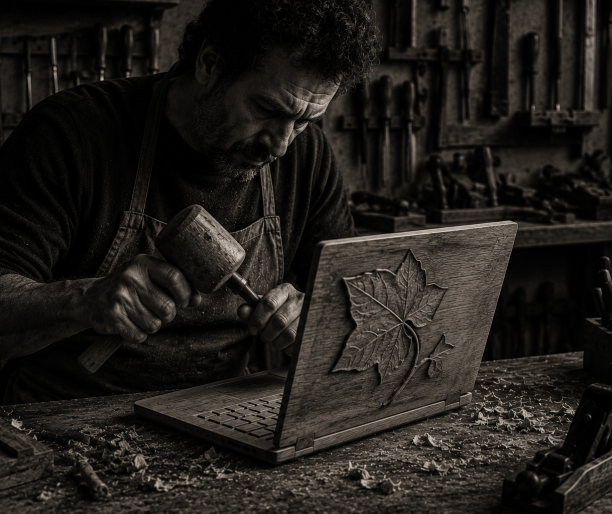
Il diverso non è mai qualcun altro
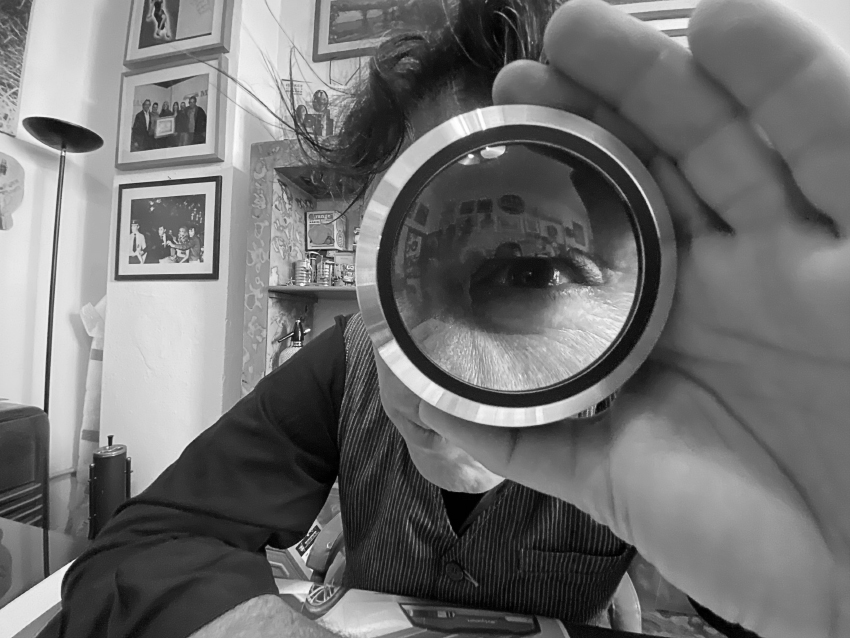
Ero al bar, uno di quelli dove il caffè sa di caffè e le conversazioni sanno di giudizio sommario. Davanti a me un uomo parlava del “diverso” come se fosse una specie animale da studiare a distanza di sicurezza, possibilmente dietro un vetro. Annuii, come si annuisce quando si capisce che non c’è niente da capire, solo da osservare. Il diverso, diceva, è sempre qualcun altro. Mai tu. Mai io.
La diversità è una parola comoda. Sta bene in bocca, pesa poco sulla coscienza. È una parola che usiamo per non dire paura. O fastidio. O incapacità di accettare che il mondo non ci deve rassomigliare per forza. Così proviamo a correggerlo, a normalizzarlo, a raddrizzarlo come un quadro storto, anche quando il quadro è storto solo perché lo guardiamo dal lato sbagliato.
Il Giorno della Memoria arriva ogni anno come un promemoria infilato a forza sotto la porta: “Ricordati che il tuo vicino di casa ha gli stessi diritti tuoi”. Grazie. Davvero. Peccato che serva una data sul calendario per ricordarci l’ovvio. Come se il rispetto fosse un evento, non una condizione di base. Come se senza una ricorrenza fossimo autorizzati a dimenticare, a semplificare, a ridurre l’altro a una caricatura.
La verità è che non conosciamo quasi nulla. Né degli altri né di noi stessi. E quello che non conosciamo ci inquieta. Allora lo chiamiamo diverso, lo mettiamo in una categoria, lo teniamo a distanza. È una strategia antica, primitiva, tremendamente efficace. Se l’altro è “diverso”, allora posso permettermi di giudicarlo senza conoscerlo. Posso pensare di cambiarlo “per il suo bene”, o per il bene di un’idea vaga, mai definita, che assomiglia sempre molto a me stesso.
Ci raccontiamo che il problema sono gli estremi, i mostri, i casi limite. Ma la storia non è fatta solo di mostri. È fatta soprattutto di persone normali che, in un dato momento, scelgono di girarsi dall’altra parte. Persone che non fanno nulla. Che non difendono, non proteggono, non prendono posizione. Perché in fondo non tocca a loro. Perché il prossimo, per ora, è sempre qualcun altro.
Eppure il prossimo potrei essere io. Domani. O tra cinque minuti. Basta cambiare contesto, basta un confine spostato, una legge riscritta, una maggioranza che decide che tu, improvvisamente, sei fuori norma. A quel punto la parola “diverso” smette di essere teorica e diventa personale. Brucia. Fa male. E arriva sempre troppo tardi il pensiero: forse avrei dovuto difendere anche quando non mi conveniva.
Non esiste un vero confine tra uguali e diversi. È una linea immaginaria, tracciata da chi ha bisogno di sentirsi al centro. Simpatici e antipatici, affini e lontani, rassicuranti e disturbanti: tutti dentro lo stesso fragile contenitore che chiamiamo umanità. Con la stessa capacità di fare il bene e la stessa, terribile, facilità di fare il male.
In ogni momento possiamo trovare una buona scusa per far fuori il prossimo. Ideologica, morale, sociale, persino estetica. Ma in ogni momento possiamo anche scegliere di difenderlo. Di riconoscerlo. Di ricordarci che non serve un giorno ufficiale per essere umani, serve solo la volontà di non smettere di esserlo.
Il resto è rumore. E il rumore, la storia ce lo ha già insegnato, copre sempre le stesse urla.
Di Gianluca Piroli
The “different” is never someone else
I was at a bar, one of those places where coffee tastes like coffee and conversations taste like summary judgment. In front of me, a man was talking about the “different” as if it were a separate species to be studied from a safe distance, preferably behind glass. I nodded, the way you nod when you realize there’s nothing to understand, only to observe. The different, he said, is always someone else. Never you. Never me.
Diversity is a comfortable word. It sounds good. It weighs little on the conscience. It’s the word we use instead of fear. Or discomfort. Or the inability to accept that the world doesn’t have to resemble us. So we try to correct it, normalize it, straighten it like a crooked painting, even when the painting is crooked only because we’re looking at it from the wrong side.
The Day of Remembrance arrives every year like a reminder slipped under the door: “Remember that your neighbor has the same rights as you.” Thanks. Really. Too bad it takes a date on the calendar to remind us of the obvious. As if respect were an event, not a basic condition. As if, without a commemoration, we were authorized to forget, to simplify, to reduce the other to a caricature.
The truth is that we know almost nothing. About others, and about ourselves. And what we don’t know unsettles us. So we call it different, put it in a category, keep it at a distance. It’s an ancient, primitive, terribly effective strategy. If the other is “different,” then I can judge them without knowing them. I can think about changing them “for their own good,” or for the good of some vague idea, never clearly defined, that always looks a lot like myself.
We tell ourselves that the problem is the extremes, the monsters, the outliers. But history isn’t made only of monsters. It’s mostly made of ordinary people who, at a certain moment, choose to look the other way. People who do nothing. Who don’t defend, don’t protect, don’t take a stand. Because, in the end, it doesn’t concern them. Because the next one, for now, is always someone else.
And yet the next one could be me. Tomorrow. Or in five minutes. All it takes is a change of context, a shifted border, a rewritten law, a majority that decides that you, suddenly, are out of bounds. At that point, the word “different” stops being theoretical and becomes personal. It burns. It hurts. And the thought always comes too late: maybe I should have defended even when it wasn’t convenient.
There is no real boundary between equal and different. It’s an imaginary line, drawn by those who need to feel at the center. Likeable and unlikeable, close and distant, reassuring and disturbing: all inside the same fragile container we call humanity. With the same capacity to do good and the same terrible ease in doing harm.
At any moment we can find a good excuse to get rid of the next person. Ideological, moral, social, even aesthetic. But at any moment we can also choose to defend them. To recognize them. To remember that we don’t need an official day to be human — we just need the will not to stop being so.
The rest is noise. And noise, history has already taught us, always covers the same screams.
Article by Gianluca Piroli

Gallery



Post Recenti